Exactly How Welding Evaluation Works: A Comprehensive Overview for Professionals
Welding assessment plays an important duty in ensuring the safety and security and dependability of welded structures. It entails an organized method that consists of both visual assessment and advanced screening methods. Experts must familiarize themselves with crucial standards and regulations controling the sector. Understanding the common flaws that can develop throughout welding is important. This overview will certainly discover these elements in detail, offering understandings into the procedures that promote quality and stability in welding.
Recognizing the Significance of Welding Examination
While lots of might underestimate the relevance of welding evaluation, it plays an important function in making certain the stability and safety of welded structures. Efficient welding inspection recognizes potential problems and flaws that can compromise structural strength and result in catastrophic failures. The inspection procedure incorporates different strategies, such as visual exams, ultrasonic screening, and radiographic analyses, each adding to the general evaluation of weld quality.
In enhancement to securing the architectural stability, welding examination assures compliance with sector standards and client specifications. By guaranteeing that welds satisfy required features and tolerances, inspections assist maintain the integrity and longevity of parts in different applications, from building and construction to aerospace. Furthermore, a strenuous examination process cultivates a society of high quality and liability amongst makers and welders. Ultimately, welding evaluation is not merely a procedural step; it is an important technique that underpins the safety and efficiency of crafted systems across diverse sectors.
Key Criteria and Laws in Welding Inspection
The structure of effective welding examination rests on adherence to developed regulations and criteria. Various companies, such as the American Welding Culture (AWS) and the American National Standards Institute (ANSI), set forth guidelines that guarantee top quality and safety in welding practices. Key criteria, such as AWS D1.1 for architectural welding and ASME Area IX for pressure vessels, supply comprehensive requirements for welding treatments, evaluations, and qualifications. Regulative frameworks, including those from the Occupational Safety and Wellness Administration (OSHA), mandate safety methods and employee securities in welding environments. Conformity with these criteria is important for attaining constant weld quality and lessening the risk of failings. In addition, international requirements like ISO 3834 further boost international consistency in welding examination methods. Specialists should stay notified about these laws to assure that their evaluation techniques align with industry assumptions and legal demands, consequently protecting both employees and architectural stability.
Initial Preparation and Visual Evaluation Techniques
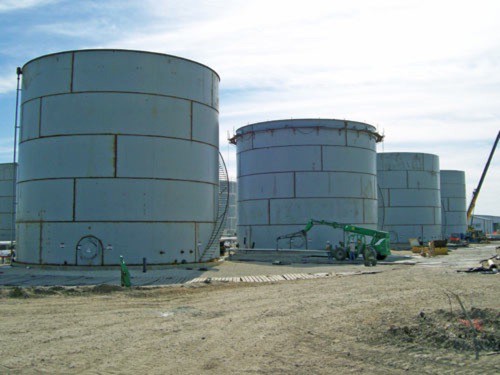
Effective welding evaluation begins with a complete pre-inspection list that assures all required problems are met before the actual inspection happens. Following this prep work, aesthetic issue recognition plays a necessary role in examining weld top quality, permitting inspectors to find issues such as cracks or incorrect blend. With each other, these strategies form the structure for a successful welding inspection procedure.
Pre-Inspection List
Prior to starting any type of welding examination, a thorough pre-inspection checklist is vital to ensure that all necessary prep work are completed which aesthetic examination techniques are efficiently utilized. Crucial element of this checklist consist of confirming the welding treatment requirements (WPS), ensuring all tools is calibrated and in great working condition, and validating that the assessor possesses the required accreditations. Additionally, it is important to assess any previous evaluation reports and to evaluate the workplace for safety and security dangers. The inspector needs to additionally confirm that all relevant documentation, such as product certifications and inspection records, is readily available. Finishing this list aids to develop a solid foundation for an effective examination process, enhancing the dependability of the outcomes gotten.
Visual Defect Identification
A successful visual problem recognition process starts with careful initial prep work and the application of recognized visual examination techniques. Examiners need to ensure that the welding location is tidy and well-lit, as sufficient presence is necessary for finding defects. A detailed assessment of the weld joint's surface area enables for the identification of gaps, such as fractures, damages, or porosity. Examiners typically use tools like multiplying glasses or mirrors to improve their sight of hard-to-reach areas. In addition, they should know with the certain welding criteria and guidelines pertinent to the task. By adhering to these techniques, inspectors can properly determine prospective concerns, protecting the stability of the weld and compliance with market requirements.
Non-Destructive Screening Methods: A Review
Non-destructive screening (NDT) methods play a necessary role in the welding assessment procedure by ensuring the honesty and dependability of bonded structures without creating any kind of damage (API 650 Welding Inspection). These strategies allow assessors to evaluate the quality of welds while protecting the components being checked out. Common NDT approaches consist of ultrasonic screening, radiographic testing, magnetic bit screening, and color penetrant testing, each offering unique benefits
Ultrasonic screening employs high-frequency sound waves to spot inner problems, while radiographic testing uses X-rays or gamma rays to picture the inner structure of welds. Magnetic particle screening exposes surface area and near-surface flaws by applying an electromagnetic field and iron particles to the weld area. Dye penetrant testing highlights surface-breaking imperfections through the application of a tinted color. With each other, these NDT methods give critical understandings into weld quality, allowing experts to make enlightened choices relating to safety and security and conformity in welding applications.
Common Issues and Their Ramifications
Determining typical flaws in welded joints is necessary for maintaining structural integrity and security. Various flaws can arise throughout the welding process, each lugging possible ramifications for the overall performance of the framework. Porosity, defined by little gas pockets within the weld, can weaken the joint and endanger its load-bearing ability. Fractures may establish as a result of thermal stress or inappropriate air conditioning, resulting in prospective failing under anxiety. Incomplete blend occurs when the weld metal does not completely bond with the base material, resulting in weak joints that may not hold up against intended tons. Damaging, where the base steel is worn down, can also lower the effective cross-section of the weld. In addition, too much support can develop stress concentrations that might result in failing. Identifying these defects promptly enables for corrective steps, guaranteeing the longevity and reliability of welded frameworks in important applications.
Tools and Tools Made Use Of in Welding Assessment
Effective welding assessment counts on a range of specialized devices and equipment to guarantee the high quality and honesty of bonded joints. Crucial instruments consist of visual assessment tools, such as visit site amplifying borescopes and glasses, which allow assessors to carefully examine welds for surface defects. Non-destructive screening (NDT) methods, such as ultrasonic screening, radiographic screening, and magnetic fragment testing, are fundamental for determining inner flaws without harming the material.
Dimension devices, including calipers and weld gauges, aid assess dimensions and ascertain conformity with requirements. In addition, hardness testers examine the mechanical homes of bonded joints. Personal safety equipment (PPE) is likewise vital, protecting the safety and security of inspectors while working in potentially dangerous environments (API 650 Welding Inspection). Each tool serves a specific purpose, jointly boosting the efficiency of welding evaluation and adding to the dependability of finished tasks
Regularly Asked Inquiries
What Credentials Are Needed to Become a Welding Inspector?
To come to be a welding examiner, individuals generally need relevant certifications, such as AWS CWI or CSWIP, in addition to experience in welding processes, engineering principles, and understanding of assessment techniques, safety and security criteria, and applicable codes.
Just How Frequently Should Welding Inspections Be Performed?
Welding examinations need to be carried out routinely, preferably at different job phases, including pre-weld, during-weld, and post-weld. Frequency might also depend upon industry standards, task requirements, and the complexity of the welds entailed.
Can Welding Defects Be Fixed After Assessment?
Yes, welding issues can commonly be repaired after inspection. Relying on the extent and type of flaw, appropriate techniques such as reworking or additional welding may be used to bring back structural honesty and safety compliance.
What Industries Require Regular Welding Assessments?

Numerous industries, consisting of building, production, aerospace, and auto, need regular welding evaluations - API 650 Welding Inspection. These inspections ensure link adherence to security standards and quality assurance, decreasing risks associated with structural stability and operational efficiency in welded parts
How Do I Select a Welding Examination Solution?
To select a welding assessment solution, one ought to think about credentials, experience, certifications, and sector track record. Additionally, examining customer testimonials and assuring the solution meets pertinent standards can help guarantee top quality evaluations and trusted results.

While several may undervalue the significance of welding assessment, it plays a necessary function in guaranteeing the honesty and safety of bonded structures. Trick requirements, such as AWS D1.1 have a peek at this website for architectural welding and ASME Area IX for stress vessels, give extensive criteria for welding treatments, qualifications, and inspections. Reliable welding assessment begins with a comprehensive pre-inspection list that ensures all necessary conditions are satisfied before the real inspection takes location. Prior to commencing any kind of welding assessment, an extensive pre-inspection list is vital to assure that all required preparations are finished and that visual assessment techniques are properly used. Non-destructive screening (NDT) techniques play a vital role in the welding inspection process by ensuring the integrity and dependability of bonded structures without triggering any damage.